Deviance is an important part of society and its constant role in changing and creating the new social norms, without deviance and the challenge of these social norms society would not change its outlooks and everything would stay the same unchallenged by people who believe these norms are wrong or constricting, thus suppressing them and hat might be their true selves.
when we hear the word deviance, we automatically think of someone in gang or who has done something to disrupt the way we all function in contemporary society, however this is not always the case. disrupting the social norm is not always and incredibly aggressive act and doesn’t always result in a jail sentence.
It can be for the greater good and in the long run it can benefit everyone in the surrounding community
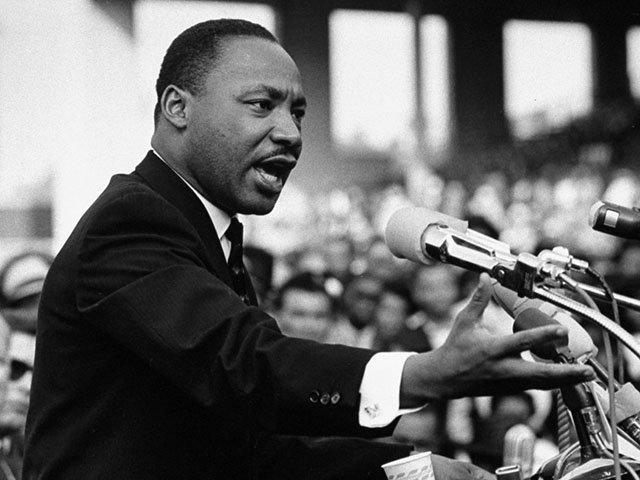
(Isthmus | Madison, Wisconsin, 2019)
An act of deviance can be something as simple voicing an opinion that goes against a majority or what society has portrayed as right and just. A huge part of history that would be defined as an act of deviance would be Martin Luther King and his important role in American human rights. He went against the norm speaking out against the wrong doings he saw against the people by the American government and is most famous for his “I have a dream” speech. “Now is the time to rise from the dark and desolate valley of segregation to the sunlit path of racial justice. “Now is the time to lift our nation from the quick sands of racial injustice to the solid rock of brotherhood.” (Marquez, 2019) This is an example of what we would call positive deviance, going against the social norm the change society for the better.
Negative deviance would be connected to the general idea of deviance that society had created, gangs, criminals and harm, however deviance and crime are not the same thing Deviance is violation of social norms whereas crime is violation of laws of the land, (Fennelly, 2018). The way our culture and society see deviance compared to another’s would be quite different with different values and ideals what we perceive as deviating from our social norms they may accept this behavior in their society.
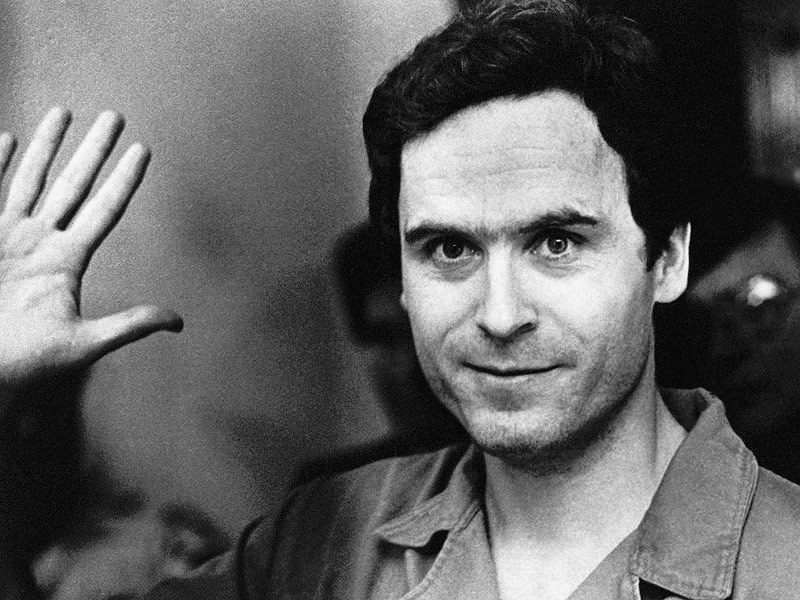
(Truesdell, 2019)
A well-known deviant whose disruption of society and its social norms was focused on harm and fear is notorious American serial killer Ted Bundy. Bundy reveled in the fear of his victims and the fear that was created in the community and the sorority’s that he attacked. He was cunning, persuasive and an artist at manipulation which made him not only physically dangerous but mentally dangerous and able to manipulate anyone that came into his path. This is the side of deviance that most people know, the dangerous side, the gritty side, the side that makes people shiver and wonder what they are going to do next.
Deviance is an important part of society and its constant need to change and expand with the changing times and our changing morals within that society. It would be hard to imagine a world without deviance in it. This would be a world where nothing would change and in a whole, no one would benefit in the long run as we need change to evolve and move forward in the world. Deviance is important and always will be as long as we need change and we will always need change.

 Hannah-Beth's Blog